
Cavities and Tooth Decay in Brooklyn NY
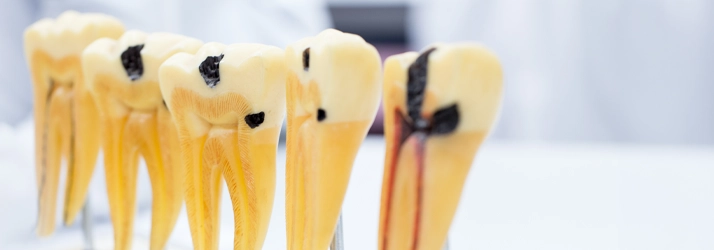
Cavities, also known as tooth decay or dental caries, are one of the most widespread dental concerns affecting patients of all ages. At iSmileBrooklyn, we understand how untreated decay can negatively impact both your oral health and overall wellness. Cavities in Brooklyn NY develop when harmful bacteria in the mouth produce acids that gradually wear down tooth enamel, eventually creating small holes in the teeth. Our mission is to educate, prevent, and treat cavities so you can maintain a strong, healthy smile.
Why Do Cavities in Brooklyn NY Occur?
Each time you eat or drink, especially foods high in sugar or carbohydrates, bacteria in your mouth feed on those substances and create acids. These acids attack your enamel, the durable outer layer that protects your teeth. If the acids are not neutralized or removed quickly, they begin to break down the enamel, leading to decay. Although saliva works to balance acid levels and repair early damage, cavities can form when this natural process is overwhelmed.
Signs and Symptoms Commonly Seen with Cavities
Wondering if you might have a cavity? Here are several signs that may indicate it’s time to visit the dentist:
- Tooth Sensitivity – Discomfort or sharp pain when consuming hot, cold, or sugary foods and drinks.
- Visible Holes or Dark Spots – Small pits, stains, or discoloration on the surface of your teeth.
- Toothache – Ongoing pain, particularly when biting or chewing, may signal deeper decay.
- Bad Breath – Persistent bad breath or an unpleasant taste can be linked to tooth decay.
If cavities are not treated promptly, they can worsen and lead to infections that reach the inner nerve of the tooth, potentially causing more serious complications.
Top 4 Risk Factors for Developing Cavities in Brooklyn NY
Although anyone can develop cavities, certain factors increase your risk. Understanding these can help you take a proactive approach to your oral health:
- High-Sugar or Acidic Diet – Frequent consumption of sugary snacks, sodas, and acidic beverages speeds up enamel erosion.
- Dry Mouth – Reduced saliva production, often caused by medications or health conditions, limits your mouth’s ability to neutralize acids.
- Inconsistent Oral Hygiene – Skipping brushing or flossing allows plaque to build up, increasing the likelihood of decay.
- Underlying Health Conditions – Conditions such as diabetes can make individuals more prone to cavities.
Our team works closely with patients to identify these risks and provide personalized guidance based on lifestyle and habits.
How Age Impacts Cavity Risk: Children, Adults, and Seniors
Children
Cavities are especially common in young children. Nearly half of children between ages 6 and 9 experience tooth decay, often due to frequent sugar intake and developing oral hygiene habits. Left untreated, cavities can affect a child’s health, growth, and even school performance due to discomfort or pain.
Adults
Tooth decay remains a concern throughout adulthood. Approximately one in five adults between ages 20 and 64 has at least one untreated cavity. Lifestyle factors such as smoking, diet, and irregular dental visits can contribute to this. Routine check-ups at our office help detect and address decay early.
Older Adults
Cavities are highly prevalent among adults over 65. As gums recede with age, tooth roots become exposed and more vulnerable to decay. These types of cavities can be more complex to treat, making regular dental care essential to avoid advanced procedures like root canals or extractions.
Cavity Prevention Tips from the Experts at iSmileBrooklyn
Taking a preventive approach is the best way to protect your teeth from decay. Here are a few expert recommendations to help keep your smile healthy:
- Brush and Floss Daily – Brushing twice a day and flossing daily removes plaque and harmful bacteria.
- Use Fluoride Products – Fluoride strengthens enamel and increases resistance to decay.
- Eat a Balanced Diet – Limiting sugary and acidic foods supports stronger teeth and better oral health.
- Schedule Routine Dental Visits – Regular exams and cleanings every six months allow early detection and prevention. Our Brooklyn office is here to support your ongoing dental care.
Dental Treatments for Cavities: What to Expect
Cavities won’t heal on their own, but we offer several effective treatments depending on the severity of decay:
- Fluoride Treatments – In early stages, fluoride can help remineralize and repair weakened enamel.
- Dental Fillings – When a cavity forms, fillings restore the tooth using durable, natural-looking materials.
- Root Canal Therapy – If decay reaches the inner pulp, a root canal may be needed to eliminate infection and save the tooth.
- Tooth Extraction – For severely damaged teeth that cannot be restored, extraction may be necessary. We’ll also discuss replacement options such as bridges or dental implants to restore function and appearance.
Tooth Decay FAQs: What Patients Need to Know
Have questions about cavities or how to prevent them? You’re not alone. Dental health can feel overwhelming, but we’re here to make it simple and clear. Below, we’ve compiled answers to some of the most frequently asked questions about tooth decay. Whether you’re looking for prevention tips, treatment information, or guidance for your family’s dental care, our team is here to help you make informed decisions and maintain a healthy smile.
Are cavities preventable?
What should I do if I think I have a cavity?
Can cavities go away on their own?
How often should I see a dentist?
Is fluoride safe for children?
What’s the best way to manage cavities in seniors?
Do baby teeth really need treatment?
Are cavities only serious if they hurt?
Is it easier to remove a tooth than fix a cavity?
Why Choose Our Team for Your Dental Care?
We understand that cavities and tooth decay can impact more than just your teeth—they can affect your daily comfort, self-confidence, and overall well-being. That’s why our team focuses on delivering personalized, compassionate care designed around your needs. Conveniently located in Brooklyn, NY, we provide comprehensive preventive and restorative dental services to support long-term oral health for every patient we serve.
Schedule Your Visit Today
Take the next step toward a healthier smile. Reach out to iSmileBrooklyn Brooklyn NY to book your appointment, learn more about preventing cavities, or explore your treatment options. Our team is dedicated to helping you achieve and maintain optimal dental health with care you can trust.

OFFICE HOURS
Monday
9:00am - 6:00pm
Tuesday
Closed
Wednesday
9:00am - 7:00pm
Thursday
10:00am - 5:00pm
Friday
Closed
Saturday
Closed
Sunday
9:00am - 2:00pm

iSmileBrooklyn
1915 Avenue Z
Brooklyn, NY 11235