
Sedation Dentistry at CLINIC NAME* in CITY* STATE*
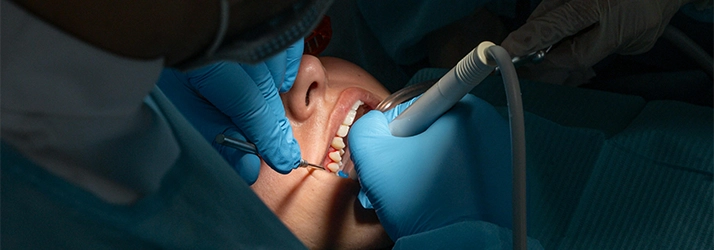
For many patients, fear or stress can make dental care difficult, which is why sedation dentistry plays a valuable role in modern treatment. At CLINIC NAME*, we offer gentle sedation options to enhance your experience. We prioritize safety and clear communication, helping you feel prepared and supported before and during your visit.
What Is Sedation Dentistry and How Does It Work?
Sedation dentistry is a method that helps patients feel calm and relaxed during dental treatment. It is often recommended for people who feel nervous about dental visits or who fear a specific procedure. The goal is to reduce stress, limit discomfort, and make the overall experience easier to manage.
Sedation does not always mean being fully asleep; in most cases, patients remain awake but feel deeply relaxed and less aware of what is happening around them. Before the procedure begins, a safe and controlled sedative is given. This medication works by slowing down the nervous system, which lowers anxiety and helps the body relax.
As the sedative takes effect, patients usually feel peaceful and comfortable. During the treatment, the dental team carefully monitors breathing, heart rate, and overall response to ensure safety at every step. One of the main benefits of sedation dentistry is that many patients have little or no memory of the procedure. This can help reduce fear of future appointments.
It also allows dentists to complete needed work more smoothly, especially for longer treatments. Sedation options are chosen based on each person’s health history and level of anxiety to provide a safe and supportive experience.
Who Can Benefit from Sedation During Dental Procedures?
Sedation dentistry can help a wide range of patients who struggle with fear, anxiety, or discomfort during dental care. It is not only for people with severe dental fear. Many individuals choose sedation simply because they want a more comfortable and relaxed experience.
Patients who may benefit from sedation include:
- Individuals with general dental anxiety or past negative experiences.
- People who have a strong gag reflex make treatment difficult.
- Patients who need lengthy or multiple procedures during a single visit.
- Those who have trouble sitting still for long periods.
- Individuals with sensitive teeth or low pain tolerance.
Sedation can also be helpful for people who avoid regular dental care because of fear. When anxiety is reduced, it becomes easier to attend appointments and complete important treatments. This can support better long-term oral health and prevent more serious problems in the future.
Each patient is different, so the type of sedation is selected based on personal comfort levels and medical history. At CLINIC NAME*, we take time to understand your concerns and recommend the most suitable sedation option to ensure you feel calm and cared for throughout your visit.
Types of Sedation Used in Modern Dental Care
Modern dental care offers several sedation options to meet different needs and comfort levels. These methods are designed to reduce anxiety and create a more relaxed experience during treatment. The most common types include nitrous oxide and oral sedation, both of which are safe and widely used in dental offices.
Nitrous oxide, often called laughing gas, is a mild sedative that is inhaled through a small mask placed over the nose. It works quickly and helps patients feel calm while still being awake and able to respond to instructions. The effects wear off soon after the gas is discontinued, allowing many patients to return to normal activities the same day.
Oral sedation involves taking a prescribed medication before the appointment. This medication helps patients feel deeply relaxed by the time the procedure begins. While patients remain awake, they may feel drowsy and may not remember much of the treatment afterward.
The choice between these options depends on the level of anxiety, the type of procedure, and overall health. At CLINIC NAME*, we carefully review your medical history and discuss your concerns before recommending the most appropriate sedation method for your comfort and safety.
Nitrous Oxide: A Safe and Gentle Option for Relaxation
Nitrous oxide is one of the most common and trusted forms of sedation in dentistry. It is often chosen because it is mild, effective, and easy to control. Patients inhale the gas through a small mask placed over the nose, and it begins working within minutes. The goal is to help the body relax while the patient remains awake and aware.
Key features of nitrous oxide include:
- Quick onset of calming effects.
- Adjustable levels during the procedure.
- Continued ability to respond to the dentist.
- Fast recovery once the gas is turned off.
During treatment, the dentist can adjust the nitrous oxide concentration to maintain the desired level of comfort. Patients often describe feeling light, calm, or slightly warm. Because the gas is used only during the procedure, its effects fade quickly once the procedure ends.
Most people can safely drive themselves home after receiving nitrous oxide. It is considered a safe option for many adults and teens, as long as they are generally healthy. Nitrous oxide provides a gentle way to manage anxiety without long-lasting side effects, making it a popular choice for routine and more complex procedures alike.
Oral Sedation: What to Expect Before and After Your Appointment
Oral sedation is a simple and effective way to reduce dental anxiety before a procedure. This method involves taking a prescribed medication at a specific time before your appointment. By the time you arrive, the medication has started to work, helping you feel deeply relaxed and calm.
Before your visit, you will receive clear instructions about when and how to take the medication. It is important to follow these directions closely to ensure safety and effectiveness. Because oral sedation can make you feel drowsy, you must arrange for a responsible adult to drive you to and from your appointment.
During the procedure, you will remain awake but may feel sleepy and less aware of what is happening. Many patients report having little memory of the treatment afterward, which can help reduce future anxiety.
After the appointment, it is normal to feel tired for several hours. Resting at home and avoiding important tasks for the rest of the day is usually recommended. At our clinic, we provide detailed aftercare instructions and ensure you and your escort understand what to expect upon returning home.
How Sedation Dentistry Helps Reduce Dental Anxiety
Dental anxiety can prevent people from getting the care they need. Sedation dentistry addresses this problem by calming the nervous system and reducing the physical and emotional signs of stress. When anxiety is lowered, patients are more likely to attend regular appointments and complete important treatments.
Sedation helps in several ways:
- It reduces fear before and during the procedure.
- It limits awareness of sounds and sensations.
- It helps relax muscles and control a strong gag reflex.
- It often reduces the memory of the treatment.
When patients feel calm, the dental team can work more efficiently. This can sometimes shorten the overall treatment time or allow more work to be completed in one visit. As a result, patients may need fewer appointments.
Lower anxiety also supports better communication between the patient and dentist. When fear is not overwhelming, it becomes easier to ask questions and understand instructions. Sedation dentistry creates a supportive environment where patients feel safe and in control, which can improve their long-term attitude toward dental care.
Is Sedation Dentistry Safe for Adults and Teens?
Sedation dentistry is generally safe for adults and teens when provided by trained dental professionals. Before recommending any sedation, the dental team carefully reviews your medical history, current medications, and overall health. This step helps reduce risks and ensures the chosen method is appropriate for you.
Safety measures include:
- A full review of health conditions and allergies.
- Clear instructions before and after the procedure.
- Careful monitoring during treatment.
- Adjusting sedation levels as needed.
During the procedure, vital signs, such as breathing and heart rate, are closely monitored. This monitoring allows the dentist to respond quickly if any concerns arise. For most healthy patients, sedation methods like nitrous oxide and oral medication are well tolerated.
Parents of teens often ask whether sedation is appropriate for younger patients. In many cases, it can be a safe and helpful option, especially for those with high anxiety or difficulty staying still.
Preparing for a Sedation Dentistry Appointment
Proper preparation is important for a smooth and safe sedation dentistry experience. Once sedation is recommended, you will receive detailed instructions tailored to your treatment plan. Following these guidelines carefully helps reduce the risk of complications and ensures the sedative works as intended.
Preparation may include:
- Avoiding food or drinks for a certain number of hours before the procedure.
- Taking prescribed medication at the exact time instructed.
- Arranging transportation if oral sedation is used.
- Wear comfortable clothing on the day of treatment.
What Happens During a Sedated Dental Procedure?
During a sedated dental procedure, the main focus is on your comfort and safety. Once the sedative takes effect, you will begin to feel calm and relaxed. Depending on the type of sedation used, you may feel light and at ease or slightly drowsy. However, in most cases, you will remain awake and able to respond to simple instructions.
The dental team will monitor your vital signs throughout the procedure. This includes checking your breathing and heart rate to ensure everything remains stable. If nitrous oxide is used, the level can be adjusted at any time to maintain the right balance of relaxation.
You may notice that time passes quickly; many patients report remembering very little about the procedure afterward, especially with oral sedation. This reduced awareness can make longer treatments feel much shorter and less stressful.
Recovery and Aftercare Following Sedation Dentistry
Recovery after sedation dentistry depends on the type of sedative used. With nitrous oxide, the effects usually wear off within minutes after the gas is turned off. Most patients feel normal quickly and can return to their routine the same day.
With oral sedation, recovery may take longer because the medication stays in the system for several hours. You may feel drowsy, slightly unsteady, or less alert for the rest of the day. It is vital to rest at home and avoid driving, operating machinery, or making major decisions until the effects fully fade.
Aftercare instructions may include:
- Drinking plenty of fluids.
- Eating light meals is recommended.
- Taking prescribed medications as directed.
- Contact the office if unusual symptoms occur.
Plan Your Consultation Today!
Experience comfortable dental care with sedation dentistry at CLINIC NAME*, where patient safety and ease are our top priorities. We take time to review your needs and create a stress-free plan. Contact us at (000) 000-0000 or stop by our office to book.

OFFICE HOURS
Monday
9:00am - 6:00pm
Tuesday
Closed
Wednesday
9:00am - 7:00pm
Thursday
10:00am - 5:00pm
Friday
Closed
Saturday
Closed
Sunday
9:00am - 2:00pm

CLINIC NAME*
ADDRESS*
CITY*, STATE* ZIP*