
Tooth Removal Services in CITY* STATE*
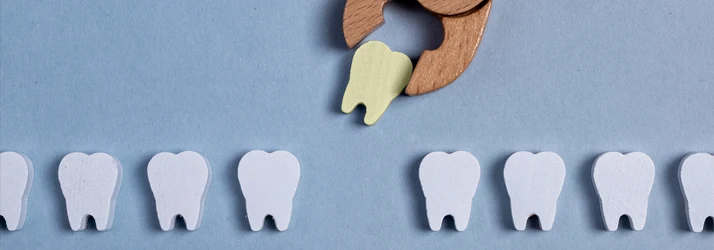
Even with good oral care habits, teeth can sometimes become damaged due to injury, decay, or other factors. In certain situations, saving the tooth may not be possible, and a tooth extraction in CITY* STATE* may be recommended to protect your overall oral health. If this is the case, understanding what to expect can help you feel more prepared and comfortable.
Anesthesia for Tooth Extractions in CITY* STATE*
Most routine tooth extractions are performed using local anesthesia, which numbs the specific area being treated. This ensures that you remain comfortable throughout the procedure. The numbness may last for a few hours afterward and will gradually wear off.
During this time, it’s important to be cautious. Avoid chewing or biting until sensation returns, as you may accidentally injure your cheek or tongue without realizing it. In some cases, your dentist may recommend or prescribe medication to help manage any post-procedure discomfort.
Managing Bleeding After an Extraction
After the tooth is removed, your dentist will place gauze over the area to help control bleeding and support clot formation. Light bleeding is normal during the first few hours.
You may be asked to keep the gauze in place for about 30 to 45 minutes, then replace it as needed until the bleeding slows. A small amount of blood mixed with saliva is expected, but if heavy bleeding continues for an extended period, you should contact your dentist.
Care During the First 24 Hours
The initial healing period is very important. A blood clot will form at the extraction site, and protecting it is essential for proper recovery.
To support healing:
- Avoid strenuous activity for the rest of the day
- Do not use straws, as suction can disturb the clot
- Avoid rinsing vigorously or using mouthwash immediately after the procedure
- Refrain from smoking, as it can delay healing
Taking these precautions helps reduce the risk of complications and promotes faster recovery.
Wisdom Teeth Extractions in CITY* STATE*
Wisdom teeth removal is a common type of extraction, especially when these teeth become impacted or do not have enough space to grow properly. Impacted wisdom teeth can cause pain, swelling, infection, and crowding of surrounding teeth. Because these extractions can be more complex, your dentist may use additional anesthesia or sedation to keep you comfortable during the procedure. Recovery may also take a bit longer compared to a standard extraction, and following post-operative instructions closely is important to ensure proper healing.
Supporting a Smooth Recovery
Although tooth extractions are common procedures, proper aftercare plays a key role in healing. Gentle care, rest, and following your dentist’s instructions will help you recover comfortably.
If you have any concerns after your extraction, the team at CLINIC NAME* in CITY* STATE* is here to assist you. Contact us for guidance and support throughout your recovery.

OFFICE HOURS
Monday
9:00am - 6:00pm
Tuesday
Closed
Wednesday
9:00am - 7:00pm
Thursday
10:00am - 5:00pm
Friday
Closed
Saturday
Closed
Sunday
9:00am - 2:00pm

CLINIC NAME*
ADDRESS*
CITY*, STATE* ZIP*